

Managing personal finances effectively requires an adaptable personal framework rather than rigid formulas or complex jargon. According to economic liquidity reporting published in the Federal Reserve Board’s Consumer Credit G.19 Report, U.S. consumer credit balances remain at historically elevated levels, while financial liquidity surveys from Bankrate’s 2024 Annual Emergency Savings Report indicate that approximately 27% of adults have no emergency savings buffer for unexpected costs. Building lasting stability boils down to four key habits: tracking net cash flow, managing high-cost obligations, protecting short-term capital, and investing consistently over long horizons.

1. Core Principles of Modern Money Management
Financial wellness generally rests on three structural pillars: foundational budgeting, systematic debt reduction, and passive wealth generation. Mastering these fundamentals creates a resilient baseline that protects against sudden economic shifts and unexpected life expenses. For those aiming to align their money management with career growth, explore our guide on how to make money online to expand your income streams.
2026 Beginner Personal Finance Action Plan
- Calculate total monthly net income and fixed living expenses
- Set up a High-Yield Savings Account (HYSA) for emergency funds
- Save an initial $1,000 starter emergency buffer
- Implement the 50/30/20 budgeting structure
- List all outstanding debts by balance and interest rate
- Automate monthly contributions toward index funds or retirement plans
Understanding Key Wealth Concepts
To make informed financial choices, you need to understand how core money management concepts work together:
- Net Cash Flow: The difference between net take-home pay and total recurring expenses. Positive cash flow provides the surplus needed for savings and investments.
- Emergency Liquidity: Readily accessible capital set aside in insured bank accounts (such as FDIC, NCUA, or local central-bank-backed deposit insurance schemes) to cover three to six months of essential living costs.
- Asset Allocation: Distributing investments across broad asset categories like equities, fixed income, government securities, and cash reserves to balance risk against long-term growth.
- Compound Growth: Earned yields generating their own returns over long horizons, drastically accelerating long-term capital accumulation.
2. Constructing a Sustainable Monthly Budget
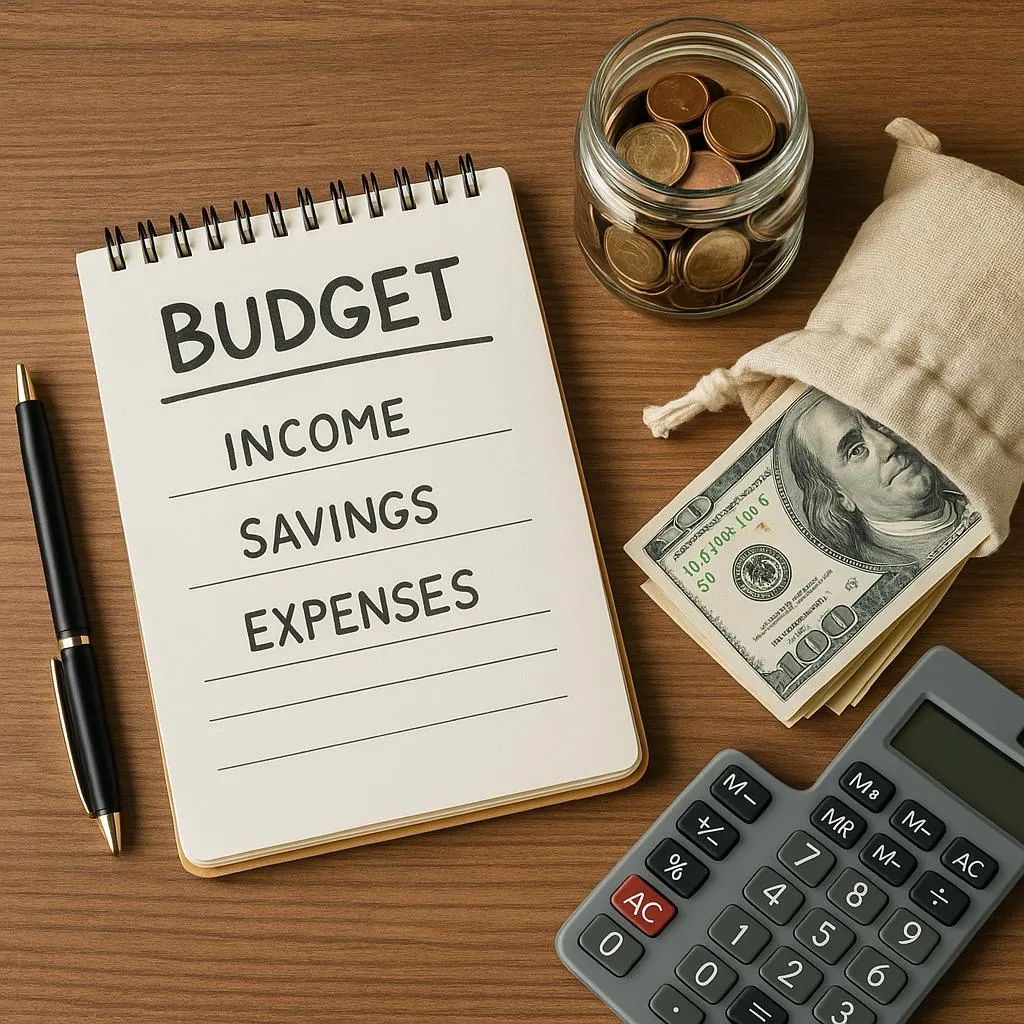
A functional budget should direct your money toward specific priorities without requiring overly complex tracking. The 50/30/20 framework offers a starting baseline for dividing net income into clear, manageable categories.
Budget Category
Income Allocation
Description & Target Expense Items
Needs
50%
Housing (Rent/Mortgage), Utilities, Basic Groceries, Transportation, Minimum Debt Obligations
Wants
30%
Dining Out, Subscriptions, Entertainment, Personal Travel, Non-Essential Hobbies
Savings & Investments
20%
Emergency Liquidity, Index Funds, Retirement Plans (401k/Provident Funds), Accelerated Debt Payoff
Note: Depending on your location and regional inflation or housing costs, this baseline can be adjusted (e.g., 60/20/20 or 70/10/20) to fit your personal circumstances.
Practical Execution Strategy
- Calculate Net Take-Home Income: Base your budget strictly on cash deposited into your bank account after mandatory taxes, payroll deductions, or health contributions.
- Automate Transfers First: Schedule automatic recurring transfers on payday to move your savings target directly into dedicated savings or investment accounts before spending on discretionary items.
- Audit Recurring Outflows Monthly: Review bank statements regularly to identify rising subscription costs or minor expense leakages before they disrupt your plan.
3. High-Interest Debt Elimination Frameworks
High-cost obligations like credit card debt often carry interest rates of 15% to 20% or higher, creating a significant drag on overall net worth. Systematic debt reduction is critical for freeing up monthly cash flow.

Debt Elimination Strategy Framework
1. Organize Debts by Principal Balance & Interest Rate
Debt Snowball Method
Debt Avalanche Method
- Target lowest balance
- Build quick momentum
- Ideal for motivation
- Target highest interest
- Minimize interest costs
- Ideal for max savings
Comparing Elimination Methodologies
- The Debt Avalanche: Directs extra payments to the balance carrying the highest interest rate while maintaining minimum payments on all other accounts. This strategy minimizes total interest paid over time and offers the fastest mathematical route to debt reduction.
- The Debt Snowball: Directs extra funds toward the smallest principal balance first, regardless of interest rates. Clearing smaller accounts rapidly creates psychological momentum, helping maintain long-term financial discipline.
4. Wealth Accumulation Through Compound Growth
Once you have secured a basic emergency cash buffer and addressed high-interest consumer debt, long-term investing becomes a primary driver of purchasing power expansion. Holding excess long-term capital exclusively in low-yield checking accounts exposes capital to inflationary erosion over time.

Time Horizon
5% Estimated Return
7% Estimated Return
10% Estimated Return
10 Years
$16,289
$19,672
$25,937
20 Years
$26,533
$38,697
$67,275
30 Years
$43,219
$76,123
$174,494
Disclaimer: Figures represent unadjusted nominal values for hypothetical illustrative purposes only and do not account for future inflation, fund management fees, localized tax considerations, or short-term market volatility.
Key Investment Options for Beginners
Note: Specific account types, tax advantages, and contribution limits depend on your country of residence.
- Workplace Retirement Accounts (e.g., 401k, Employee Provident Funds): Employer-sponsored retirement plans where matching contributions can provide an immediate return on the amount matched by the employer.
- US Tax-Advantaged Accounts (Roth IRA / Traditional IRA): Individual accounts for US taxpayers providing tax-deferred or tax-free capital growth upon retirement.
- International Tax-Advantaged Accounts (e.g., ISA in the UK, VPS in Pakistan, PPF in India): Region-specific, government-regulated accounts offering local tax breaks or tax-sheltered investment growth.
- Broad-Market Index Funds & ETFs: Low-cost passive investment funds tracking major global or regional stock market indices, providing broad diversification across many publicly traded companies.
If you are interested in building independent online businesses to fund your long-term investments, check out our course on how to earn from freelancing to monetize your skills.
Take Control of Your Financial Future Today
Building wealth and achieving financial freedom doesn't happen overnight; it starts with a single, deliberate step. Whether your immediate goal is to wipe out high-interest credit card debt, build a cushion for unexpected life events, or automate your investments for the decade ahead, consistency is your greatest asset.
Ready to transform your finances in 2026?
- Bookmark this guide so you can reference the budgeting formulas and strategies whenever you adjust your financial plan.
- Take 10 minutes today to list your monthly expenses and calculate your net cash flow.
- Share this roadmap with a friend or family member who is ready to take charge of their financial journey!