
Every mind-blowing Instagram image, every brand logo you recognize immediately, every website that feels right, was designed by someone. And more often than not, that someone began right where you are: curious, feeling a little bit lost, and looking for the right graphic design course.
The truth is that no one tells you straight away: you do not need to have an art degree, expensive programs, or any "natural talent" to become a good designer. What you need is the right learning path. In this guide, we'll walk you through what a graphic design course actually teaches, how to choose between graphic design courses for beginners and advanced programs, what separates the best graphic design courses online from the rest, and whether graphic design courses with certificate are actually worth it for your career.
What Does a Graphic Design Course Actually Teach You?
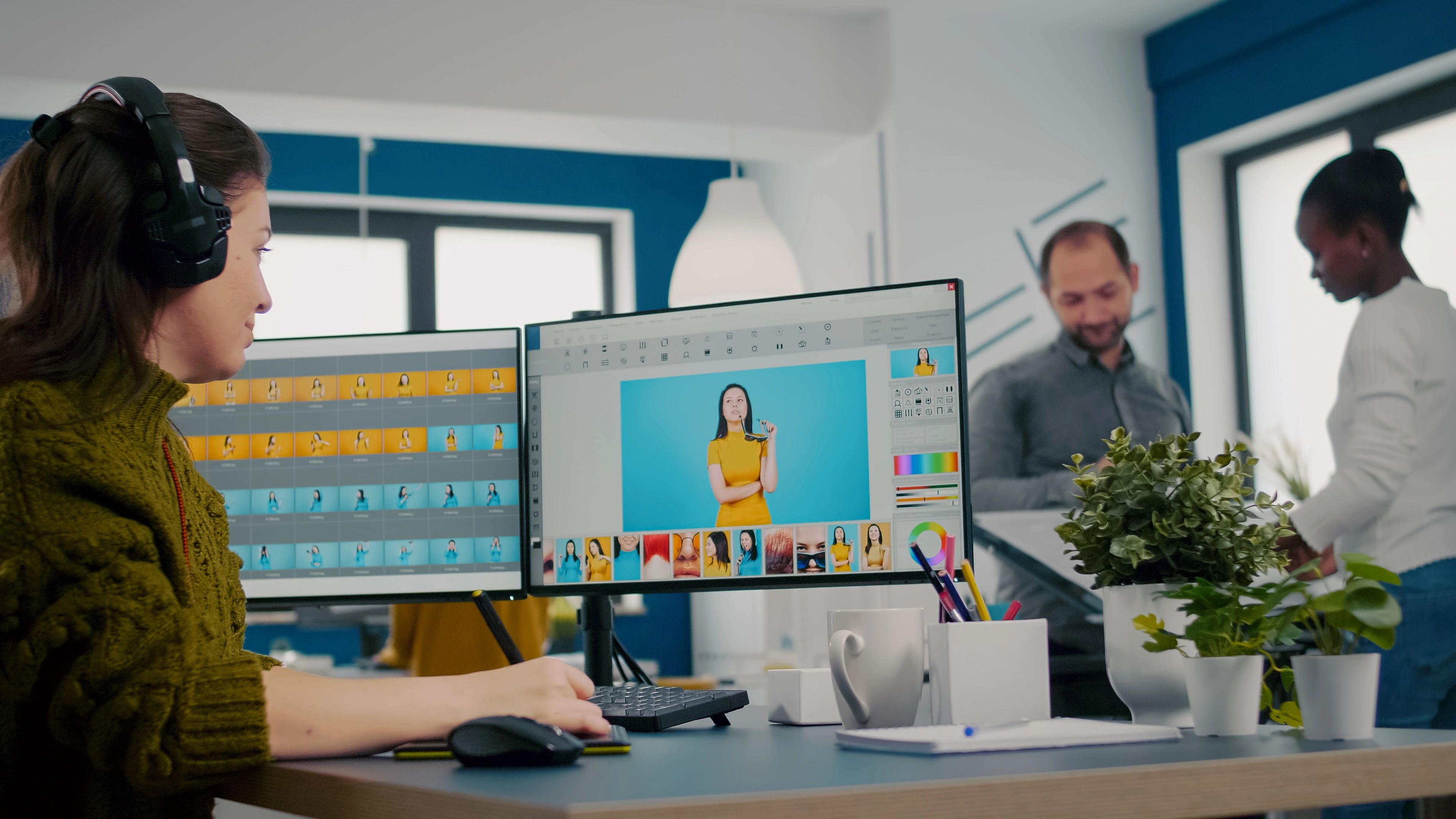
It is always assumed that a graphic design course is all about "learning Photoshop." Well, it isn't. An effective course first makes you understand how to think visually before showing how to use any button in any software.
Let us see what an effective curriculum normally includes:
- Basics of Design: Color Theory, Typography, Layout, and Visual Balance
- Basics of Branding: Logos and Brand Identity
- Software Skills: Photoshop, Illustrator, InDesign, Canva, and Figma
- Digital Design: Social Media Graphics, Web Banners, and UI Basics
- Presentation Skills: How to sell your Design to the client
The software changes over the years, but not the way you should think about great designs. That's why the best graphic design course options focus more on fundamentals than the software right from the start.
Graphic Design Courses for Beginners: Where Should You Start?
Every graphic design course is not made for everyone, and choosing the wrong level is the main factor why people abandon their learning journey halfway through.
If You Are a Complete Beginner
Graphic design courses for beginners should be:
- Based on zero knowledge of the software
- Begin with theory (colors, typography, composition) and not the software
- Contain small projects and not big ones
- Allow creating your portfolio step-by-step
If You Are Not a Beginner
In case you are comfortable using programs such as Canva and Photoshop, choose courses that cover more advanced subjects like systems of branding, advanced typography, or specialization (UI/UX, package design).
Choosing the wrong level of courses will only discourage you. Being too easy or too hard makes it either a waste of time or too complicated for you to keep up. Just be honest about your current skills and pick your suitable level at WeVersity's graphic design courses.
What Makes a Course One of the "Best" Online?
Everyone claims to offer the best graphic design courses online, so how do you actually tell the difference? Look past the marketing and check these four things:
- Practical exercises and not only theory. You will actually design, rather than learn how to do it from another person.
- Constructive criticism and not indifference. It is always good to learn from the mentors' reviews and peers' feedback, instead of working on your own by watching videos.
- Updated course. As you know, technology advances rapidly, so an outdated course will not help you at all.
- Portfolio. As a result, you should design 3-5 items that you can present to your future client/employer.
Popularity and price don't mean anything. A very popular course with a thousand 5-star reviews and zero practical exercises won't teach you anything.
Does a Certificate Actually Help?
It is one of the most frequently asked questions, and I think it should be answered as follows: it all depends on which type.
Graphic design courses with certificate completion can genuinely help you when:
- You're new in the field and need something to prove your credentials
- You want to apply for freelance jobs on websites such as Upwork or Fiverr
- You're including it in your LinkedIn profile
However, a certificate is not a substitute for the portfolio. Much more attention will be paid to what you have done rather than what you have completed. It should be regarded as an additional credential rather than the main evidence. The programs for getting the certificate in graphic design at WeVersity are aimed at combining both.

Where Design Meets Digital Marketing
Here's something most beginner guides skip: modern graphic designers rarely work in isolation. Your designs almost always exist inside a bigger marketing picture; a landing page needs SEO-friendly visuals, a campaign needs assets for social media marketing, and a product launch might need creative for Google Ads or an email marketing sequence.
Designers who understand even the basics of content marketing and online marketing tend to produce work that performs better, not just work that looks good. This is why many students eventually pair their graphic design course with a broader set of digital marketing skills, giving them a more complete, hireable profile. If you're interested in this combination, WeVersity's digital marketing certification pairs well with any design track.
What Happens After You Finish?
Graphic design education completion is only the starting point, not the finishing line. Most of them proceed with further paths in any of the following areas:
- Freelancing: gaining customers through websites like Fiverr and Upwork
- Employment: working with the marketing department at advertising agencies, startups, or firms
- Development: paying attention to specialization in such areas as UI/UX, motion graphics, and packaging
- Venturing into marketing: becoming a full-fledged expert through the combination of design with other areas like content marketing and email marketing
The fastest-growing designers are those who constantly improve their work, style, and technology skills even after their graduation.
Your Next Step Starts Now
Selecting a graphic design course need not be difficult. The first step should be an honest self-assessment. Are you a novice or someone who knows the fundamentals? From there, evaluate the best graphic design courses online based on real projects and mentor support rather than price or popularity alone, and treat a certificate as a valuable bonus rather than the main goal. The ideal graphic design course will train you to think like a designer; the software will be only a means to the end.
Designers who succeed are not those who have enrolled in the "ideal" course. The ones who keep designing, keep developing their portfolios, and keep learning beyond the course material will win through.